


How Cross-Discipline Conditioning Builds Stronger, More Resilient Athletes
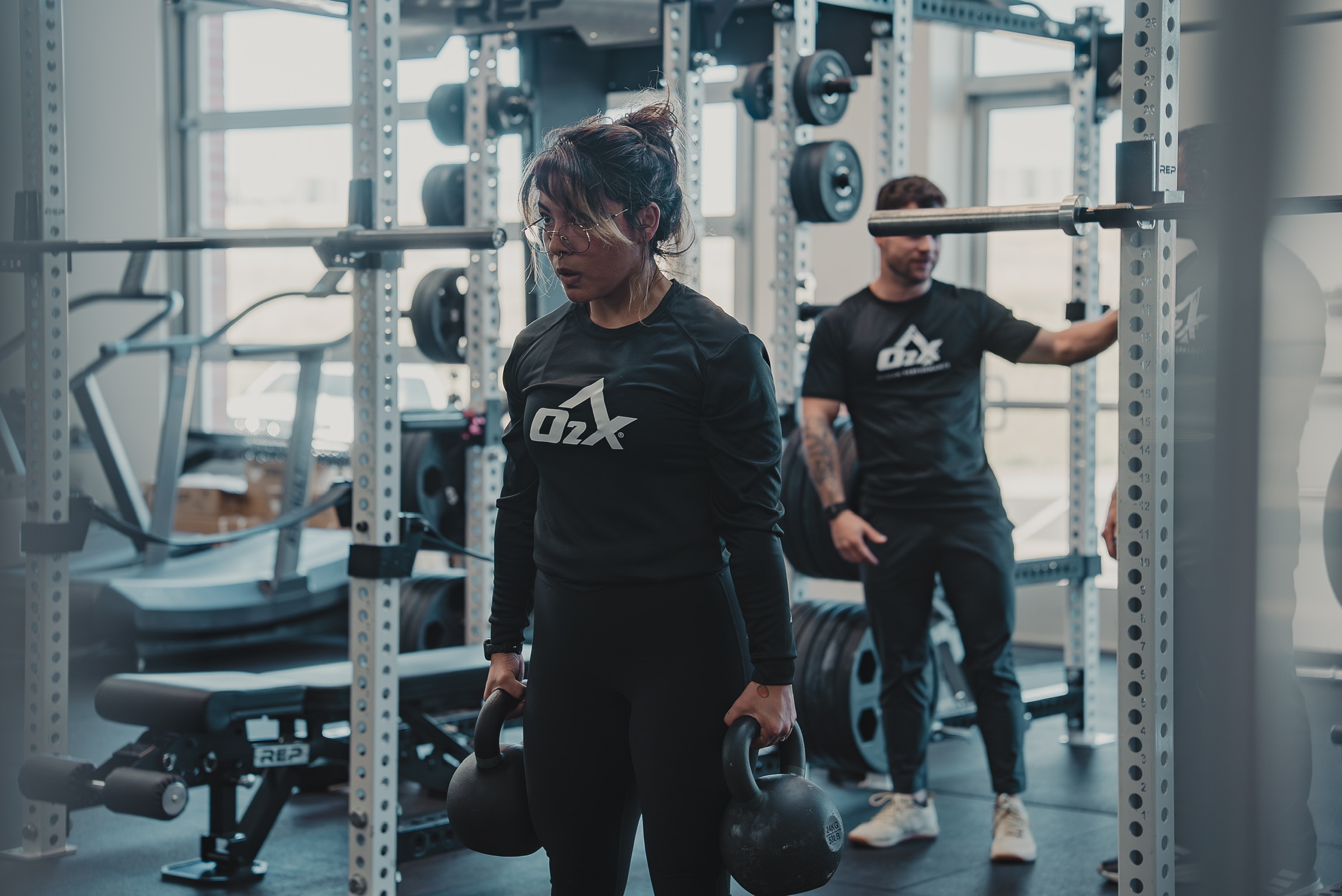
By Ryan Reynolds - O2X Instructor
As athletes, it’s easy to stay locked into one lane, focused on refining every detail of our primary sport. But over time, that same repetition can take a toll on the body and mind. Physically, it can create imbalances and overuse patterns. Mentally, it can narrow our focus until we lose sight of what drew us to sport in the first place. That’s where cross-discipline conditioning comes in. The truth is, runners don’t only run, and football players don’t just practice football drills and skaters shouldn’t only skate. Cross-training offers athletes a way to improve performance while allowing the body and mind to recover in new ways.
During my career with the U.S. National Rugby Team, we occasionally incorporated cross-discipline work and while it wasn’t a regular part of our team training, it was obvious how beneficial the outcome was. Coaches from completely different sports – people who saw movement and competition through a fresh lens would guest coach at our practices. We spent sessions with professors in Jiu Jitsu learning ground techniques that translated directly to our contact and ruck work. We trained with the Field Hockey and Water Polo teams and benefited from different styles of competition and conditioning. We even spent a day with the Navy SEALs attempting a small piece of their BUD/S training course. It wasn’t about physical toughness alone, it was about teamwork, composure, and staying mentally connected under fatigue. These sessions were always humbling, exhausting, and incredibly valuable.
Those experiences taught me that stepping outside your comfort zone makes you a better, more balanced athlete. The human body and mind thrive on variety. Physically, cross-discipline training activates underused muscle groups, prevents overuse injuries, and improves overall fitness. Mentally, it provides a reset: a chance to rediscover joy in movement, challenge complacency, and build confidence in unfamiliar settings. It can reduce burnout, enhance focus, and help athletes rediscover the joy of their sport. My teammates and I left our non-rugby specific sessions laughing, smiling, joking and yet we still benefited greatly physically whether we realized it in the moment or not.
I understand that many elite athletes don’t have the bandwidth to take on other sports and the timing of these sessions is crucial to not interfere with the competitive season. But small, intentional pieces of cross-training can be integrated into daily routines. A yoga-based mobility flow, a breath work class, swimming for a low impact conditioning workout or a new gym routine can all improve focus, stability, and recovery without disrupting sport-specific training. Cross-training isn’t about distraction; it’s about connection. Every new challenge teaches your body and mind something transferable, strength, balance, patience, resilience. It reminds you that athletic potential isn’t limited by your sport, but expanded by how you train for it. This isn’t about leaving your sport behind, it’s about strengthening your connection to it especially when the pressure is high and precision matters most. Every athlete benefits from a change of pace now and then.
Cross-discipline conditioning revitalizes your routine, reveals new strengths, and helps you recover without losing fitness. Sometimes, the best way to get better at your sport is to step away from it, just long enough to return sharper, stronger, and more inspired.
About O2X Instructor Ryan Reynolds:
Ryan Reynolds, is a Firefighter Paramedic at Orange County Fire Authority. After over a decade as a professional rugby player, Ryan quickly transitioned to being a Firefighter in 2019. Ryan was one of 3 females to successfully complete a 20 week career academy and a year of probation with no prior experience or education in firefighting or EMS. Ryan's proven success stems from consistency, hard work, and a continual willingness to learn. While still on probation, Ryan interviewed for Paramedic School and despite the hesitation demonstrated by her superiors, she was approved and graduated at the top of her class earning an Associates in Emergency Medicine and was one of the first to be promoted to Firefighter Paramedic from her class. Prior to firefighting, Ryan’s has a remarkable athletic background, having been an Olympian and professional rugby player for the U.S. National and Olympic Teams. Achievements include a 5th place finish at the 2016 Olympic Games, being named 7s Player of the Year by The Rugby Breakdown in January 2017, being recognized as one of Team USA’s most highly educated Olympians in 2016 and winning a Bronze Medal at the 2013 World Cup in Moscow, Russia. Ryan holds a B.S. in Sport & Entertainment Management from the University of South Carolina (2011), and earned her M.B.A. in International Affairs from DeVry's Keller Graduate School (2014) while training for the Rugby World Cup and 2016 Olympic Games. Ryan has helped several small businesses and CrossFit affiliates with their strategic marketing solutions, sales and membership retention. Most notably, Ryan assisted to rebrand an affiliate to have a 100% online presence crafted to build a female-empowered CrossFit community. Ryan's contributions included designing a new logo, redefining the mission of the brand, and rewriting the business plan. When she’s not helping on the backend of gyms, Ryan is also a CrossFit Coach, a nutrition coach, a weightlifting Coach, and a pregnancy and postpartum Athleticism Coach. Ryan is a peer fitness trainer for her fire department sharing her wealth of knowledge and experiences in health and wellness with her brothers and sisters on the job as well as helping recruits prepare for interviews and the demands of the fire academy. Ryan currently lives in San Diego, CA. In her free time, she enjoys traveling, hiking, supporting her wife’s professional racing career and hanging out with their golden doodle, Winston.