


Preventing Falls in Older Adults: A Tactical Approach to Safety and Readiness
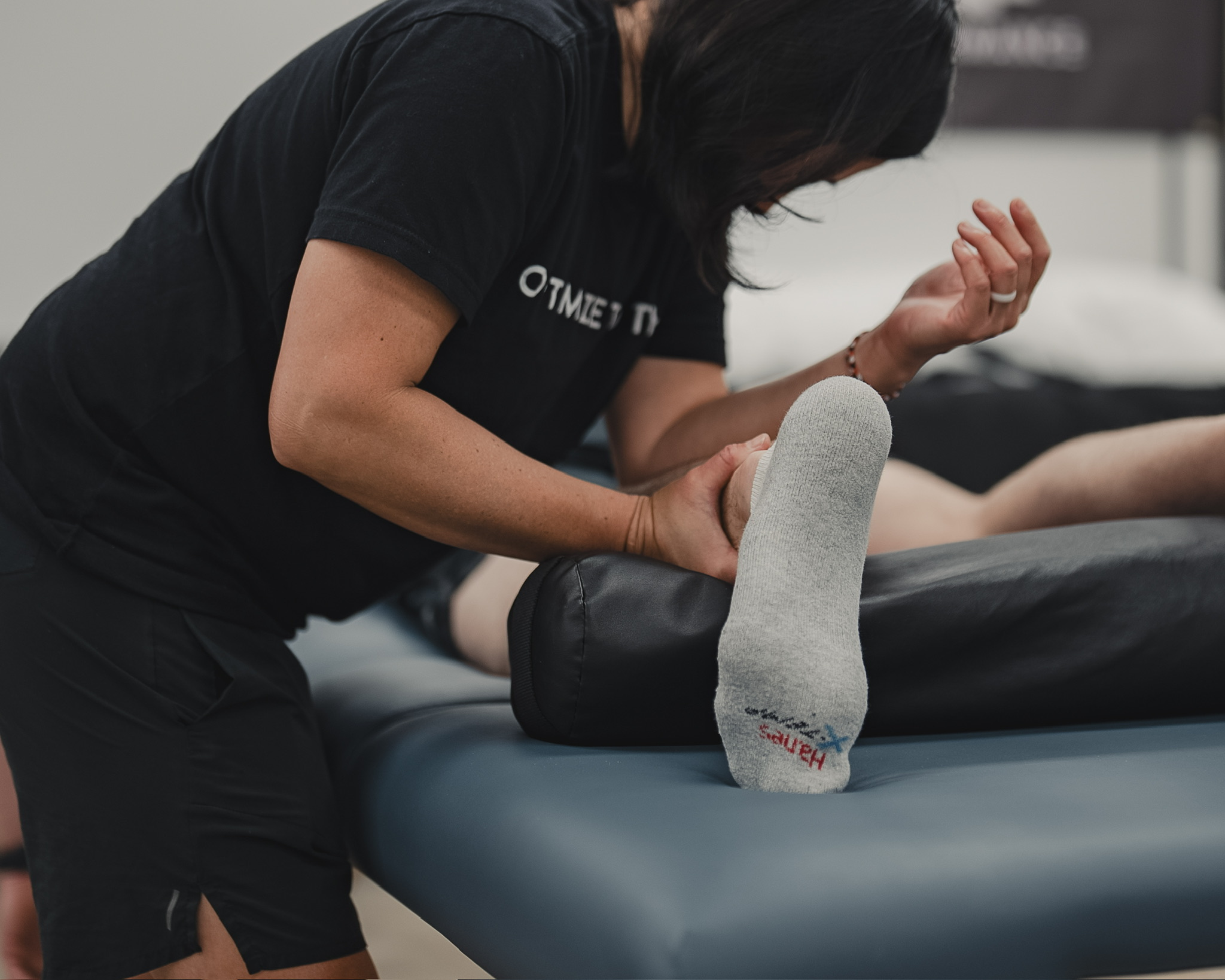
By Vickie Dills, O2X Injury Prevention Specialist
After years of watching people work their way across wobble boards, foam pads, and uneven surfaces, one thing’s clear: humans are impressively inventive when it comes to almost falling. Some attempts are humbling, some quietly hilarious, but the reality is serious. A single misstep can take someone out of commission, which is why fall prevention isn’t just a tip, it’s mission-critical, whether you’re working with older adults or tactical trainees.
Falls are preventable. Small, consistent improvements, just 1% each day in balance, strength, and situational awareness, compound to dramatically reduce risk and preserve independence. A single misstep can sideline an older adult or a tactical trainee turning routine movement into a serious injury. Falls remain one of the most common and preventable injuries among adults 65 and older. They contribute to significant morbidity, loss of independence, and a reduced quality of life. For tactical trainers, first responders, and instructors working with older adults or personnel returning from injury, fall risk isn’t just a health concern, it can directly affect operational readiness. Even minor missteps in training or field exercises can result in serious injury.
Evidence consistently shows that structured exercise combined with multifactorial interventions can significantly reduce fall rates and prevent injuries among community-dwelling older adults¹,².
- Who is most affected: Older adults with balance deficits, chronic conditions (like arthritis or peripheral neuropathy), or those taking medications that affect alertness. Even otherwise active adults can be vulnerable when fatigue, uneven terrain, or divided attention come into play.
- Consequences if unaddressed: Falls often lead to fractures, head injuries, reduced mobility, and loss of independence. Fear of falling can create a cycle of inactivity, accelerating functional decline and increasing vulnerability to future falls¹,³.
- Reader gains: This article provides practical, evidence-based strategies to prevent falls. It focuses on strengthening balance, optimizing vision, modifying environments, and implementing advanced tactical techniques that directly translate to real-world readiness.
Quick-Action Tips Top 5 Fall-Prevention Actions 1% Improvements Daily:
- Perform single-leg stance or Y Balance drills 2–3× per week¹
- Train on varied surfaces: firm → foam → uneven terrain¹
- Schedule regular eye exams and maintain up-to-date corrective lenses⁴
- Remove tripping hazards and improve lighting¹,⁴
- Practice reactive balance drills to improve recovery responses¹,²
Small, incremental improvements really add up. Consistent effort makes a meaningful difference in safety and independence.
Benefits / Preventative Action
1. Strength and Balance Training Structured
Targeted exercise programs are proven to improve balance and lower-body strength¹,². These exercises enhance postural control and reduce fall rates when performed consistently.
Recommended activities include:
- Single-leg stance: Start supported, progress to unsupported, and maintain upright posture and core engagement. Adding just a second or two each session compounds over time.
- Step-ups: Gradually increase step height or repetition, keeping movement controlled.
- Dynamic balance drills: Lateral shuffles, heel-to-toe walking, and controlled lunges challenge stability and reaction time, especially on uneven surfaces.
The quality of movement matters more than speed. Precise, controlled practice strengthens neuromuscular control and functional stability.
2. Environmental Awareness & Safety Modifications
Environmental hazards are often overlooked contributors to falls. Systematic reviews support environmental modifications as a key part of multifactorial fall-prevention strategies¹.
Key strategies include:
- Remove tripping hazards and keep walkways clear
- Improve lighting and use high-contrast edges where needed
- Install grab bars and secure handrails in critical areas
- Encourage situational awareness during movement—similar to tactical scanning during field operations.
Minor environmental adjustments can drastically reduce fall risk over time.
3. Vision, Hearing, and Medication Review
Vision is a critical and often under-treated component of fall prevention⁴. Age-related changes, such as presbyopia, cataracts, or glaucoma, can affect depth perception and hazard detection.
Recommendations include:
- Routine comprehensive eye exams with updated corrective lenses
- Environmental adaptations with high-contrast edges and glare-free lighting
- Practicing visual scanning and low-light navigation
- Hearing assessments and reviewing medications that contribute to dizziness or hypotension Small improvements in sensory input and awareness have a large impact on stability.
4. Footwear and Foot Health
- Wear well-fitted, supportive shoes with non-slip soles¹
- Address foot pain, bunions, or neuropathy proactively
- Avoid worn-out or loose footwear that compromises balance
Minor adjustments to footwear can significantly improve safety and confidence during mobility.
Tactical Techniques to Integrate
Advanced techniques challenge the sensorimotor system in real-world contexts, reflecting current clinical understanding of neural adaptation, balance control, and fall resilience¹,².
1. Y Balance Test and Training
The Y Balance test/training assesses and challenges dynamic stability while reaching in multiple directions. It helps identify and correct asymmetries correlated with increased fall risk¹.
Application:
- Begin with supported reaches, then progress to unsupported while maintaining core alignment
- Integrate into warm-ups or rehabilitative sessions to improve functional stability
2. Compliant vs. Non-Compliant Surfaces
Training on varied surfaces improves proprioception¹(the body’s ability to sense its own movement, action, and location in space):
- Non-compliant surfaces: Firm flooring allows controlled practice of precise movements
- Compliant surfaces: Foam pads or uneven terrain create instability, challenging the nervous system and improving reflexive postural responses
Progress slowly from non-compliant to compliant surfaces. Include multi-directional challenges for maximum real-world benefit.
3. Reactive and Dual-Task Training
Falls often happen when attention is divided or during unexpected perturbations. Dual-task and reactive drills improve integration of cognitive and motor systems².
Examples:
- Reactive drills: Controlled perturbations or step-recovery tasks
- Dual-task drills: Combine locomotion with cognitive tasks (e.g., scanning environments while carrying objects)
Incremental improvements in reaction and dual-task coordination enhance real-world safety.
4. Functional Mobility Drills
Multi-joint, weight-bearing activities reinforce strength and balance:
- Sit-to-stand transitions: Strengthen quadriceps, glutes, and core
- Lateral shuffles and controlled lunges : Build lateral and multi-directional stability
- Step-over and obstacle navigation: Train coordination and reactive balance on uneven terrain
Gradual progression with attention to form ensures safe, sustainable improvements¹,².
Conclusion
Preventing falls in older adults is a tactical strategy for resilience and independence. Evidence supports combining strength and balance training, sensory screening, environmental modifications, and advanced functional techniques to reduce fall risk¹,²,⁴.
Key takeaways:
- Integrate strength and balance drills into routine practice
- Address vision and hearing deficits proactively
- Ensure environmental safety
- Include reactive and dual-task drills Every small, consistent improvement counts. Incremental gains in mobility, awareness, and environment create resilience, independence, and readiness. Prevention is preparation—and preparation saves lives.
References:
- Guirguis-Blake, J. M., Perdue, L. A., Coppola, E. L., & Bean, S. I. (2024). Interventions to prevent falls in older adults: Updated evidence report and systematic review for the US Preventive Services Task Force. JAMA, 332(1), 58–69. https://doi.org/10.1001/jama.2024.
- U.S. Preventive Services Task Force. (2024). Interventions to prevent falls in community-dwelling older adults: Recommendation statement. JAMA. https://doi.org/10.1001/jama.2024.
- Pillay, J., Gaudet, L. A., Saba, S., et al. (2024). Falls prevention interventions for community-dwelling older adults: Systematic review and meta-analysis of benefits, harms, and patient values and preferences. Systematic Reviews, 13, 289. https://doi.org/10.1186/s13643-024-
- Centers for Disease Control and Prevention. (2026, January 27). About older adult fall prevention. https://www.cdc.gov/
- Delbaere, K. (2025). A smarter approach to fall prevention: Insights for action. Age and Ageing, 54(3), afae291. https://doi.org/10.1093/ageing/afae291
About O2X Injury Prevention Specialist Vickie Dills:
Vickie Dills is an O2X Injury Prevention Specialist. She received a Bachelor of Science degree in Physical Therapy from Northeastern University in 1999 and later completed her Doctorate in Physical Therapy at Simmons College. Vickie embraces the concept of evidence-based rehabilitation. In treating physical therapy patients, she draws upon current research to incorporate scientifically validated methods into her daily practice. In March 2016, she co-authored an article titled “Return to Play Following Sports Hernia Surgery”, which was published in “Clinics in Sports Medicine”.Vickie is also a licensed private pilot and a certified SCUBA diver. Prior to pursuing a career in Physical Therapy, she worked in a trauma center operating room under the direction of the anesthesia department. Vickie served as an active duty Hospital Corpsman in the U.S. Navy. She holds numerous certifications, including Orthopedic Clinical Specialist (OCS), Certified HawkGrips Blood Flow Restriction (BFR) Specialist, Certified ImPACT Trained Physical Therapist (ITPT), Certified Strength and Agility Coach (CSAC), Dry Needling for Orthopedic Rehabilitation and Sport Performance, and Training for Warriors Instructor Certified, among others.