


The Critical Role of Fitness in Firefighting
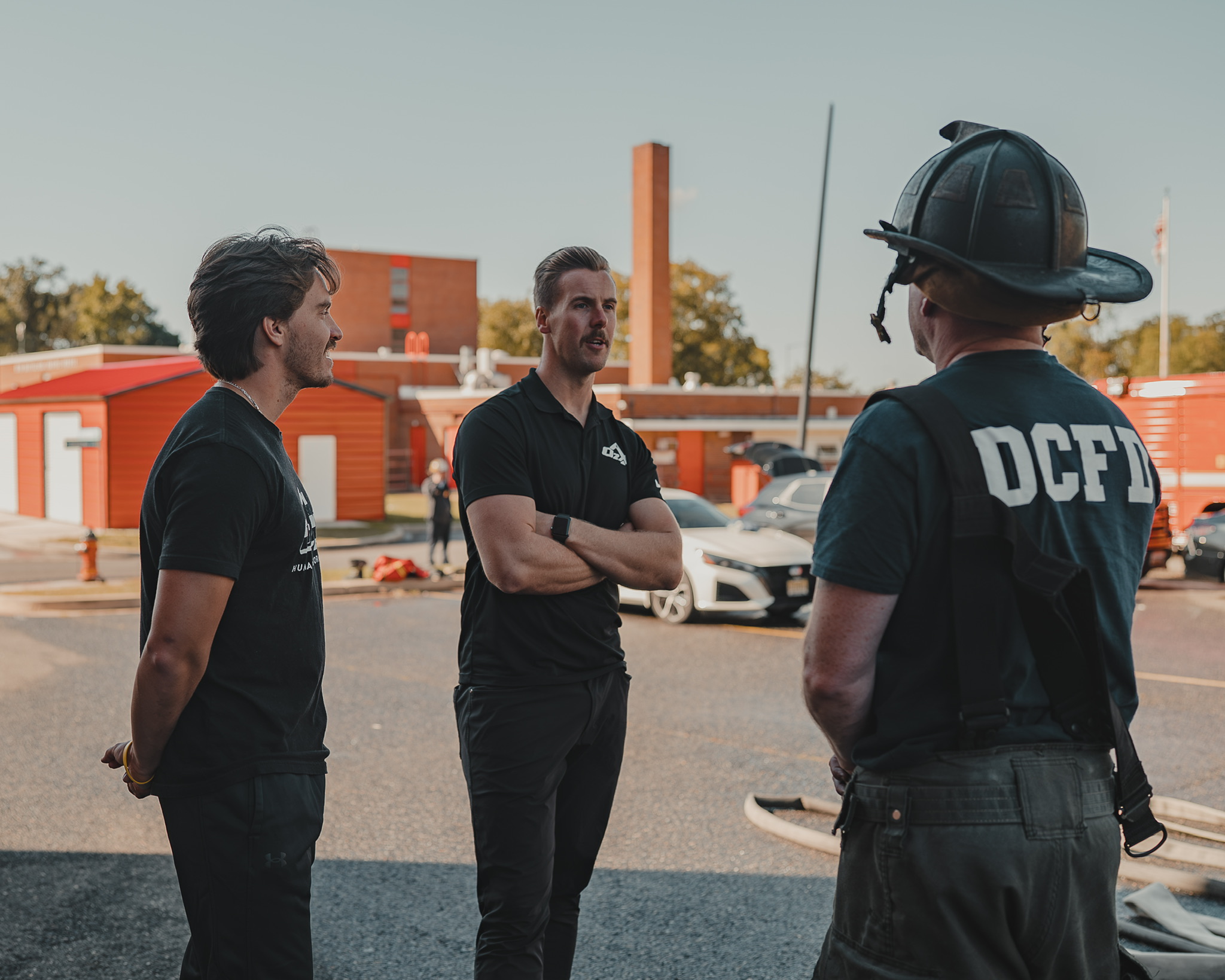
By Josh Davies, O2X Integrated Specialist & Program Manager - DCFEMS
In the demanding and high-stakes profession of firefighting, physical fitness is not merely a choice but a necessity. Firefighters are expected to be resilient, agile, and strong, ready to face unpredictable challenges at a moment's notice. While the terms "physical training" and "exercise" are often used interchangeably, they carry distinct meanings for firefighters, each playing a crucial role in ensuring peak performance and overall well-being.
I. The Essence of Physical Training for Firefighters:
Physical training for firefighters transcends the conventional notion of exercise. It is a comprehensive, goal-oriented approach aimed at enhancing the specific physical attributes required for the job. This type of training is strategic, addressing the unique demands that firefighters face in the line of duty and allows progress to be more accurately measured across time. We know from data that structured strength and conditioning programs are beneficial for improving firefighter trainees’ physical fitness even when run concurrently with fire academy training (2).
1. Functional Fitness: Physical training prioritizes functional fitness, emphasizing movements and exercises that directly simulate the challenges encountered in firefighting scenarios. This includes lifting and carrying heavy equipment, climbing ladders, dragging hoses, and maneuvering through confined spaces. Functional fitness is not about sculpting bodies for aesthetics but about preparing bodies for real-world tasks.
2. Job-Specific Drills: Unlike generic workout routines, physical training for firefighters involves job-specific drills that mimic the dynamic nature of emergency situations. This may include simulated rescues, ladder climbs, and obstacle courses designed to hone specific skills required on the job. By replicating these scenarios, firefighters develop muscle memory and adaptability, ensuring they can perform optimally in the face of adversity.
3. Team Collaboration: Firefighting is inherently a team effort, requiring seamless coordination among team members. Physical training often incorporates team-based exercises to foster communication, cooperation, and trust. This collaborative approach not only builds camaraderie but also enhances the effectiveness of firefighting teams in high-pressure situations.
Essentially physical training is a periodized and progressive training plan that is a structured approach to physical fitness that involves systematic variations in intensity, volume, and specificity over time.
Some key concepts to look out for with this is:
• Periodization (3):
o Macrocycle: The overall training plan, often spanning a year or more.
o Mesocycle: Intermediate phases within the macrocycle, usually lasting several weeks to a few months, each focusing on specific aspects of fitness (e.g., strength, hypertrophy, endurance).
o Microcycle: Short-term cycles within mesocycles, typically lasting one to four weeks, with specific daily or weekly goals.
• Progressive Overload:
o Gradual increase in training stress to force the body to adapt.
o Can involve manipulating intensity, volume, frequency, or a combination of these factors.
• Specificity:
o Aligning training activities with the specific demands of the sport or fitness goal.
o Tailoring exercises, intensity, and volume to mimic performance requirements.
• Deload Weeks:
o Planned periods of reduced intensity or volume to allow for recovery and prevent overtraining.
o Essential for preventing burnout and minimizing the risk of injury.
• Assessment and Adjustment:
o Regularly evaluating progress through assessments like strength tests, endurance tests, or performance metrics.
o Adjusting the training plan based on assessment results to address weaknesses or capitalize on strengths.
• Individualization:
o Customizing the plan based on an individual's fitness level, goals, and response to training stimuli.
o Considering factors like age, experience, and injury history.
II. The Role of Exercise in Firefighter Fitness:
Exercise, on the other hand, is a broader term that encompasses a range of physical activities undertaken for general health and well-being. While exercise is an integral component of a firefighter's fitness regimen, it may not always address the specific demands of the job. With just random exercise, progress is a little harder to measure due to the inconsistency and random nature of workouts.
1. Cardiovascular Endurance: Firefighters need robust cardiovascular endurance to cope with the physically demanding nature of their work. Regular aerobic exercises, such as running, cycling, or high-intensity interval training (HIIT), contribute to improved heart and lung health. However, exercise alone may not sufficiently prepare firefighters for the varied challenges they encounter during emergencies.
2. Strength Training: Exercise often includes strength training to build overall muscular strength. While this is beneficial for firefighters, physical training goes beyond conventional weightlifting by incorporating functional strength exercises that mirror the tasks firefighters perform. Firefighters need strength that translates directly to the requirements of their profession.
3. Flexibility and Mobility: Flexibility and mobility are crucial for firefighters, allowing them to navigate tight spaces and perform agile movements. Yoga, stretching routines, and mobility exercises are common components of exercise programs, contributing to overall flexibility. However, physical training for firefighters may integrate these elements in a more targeted manner, focusing on movements specific to firefighting scenarios.
III. The Holistic Approach: Integrating Physical Training and Exercise: For firefighters to excel in their physically demanding profession, a holistic approach that combines both physical training and exercise is essential. Recognizing the distinctive aspects of each and integrating them into a cohesive regimen ensures comprehensive fitness tailored to the challenges firefighters face.
1. Periodization: Physical training often incorporates periodization, a systematic approach that divides the training program into specific phases, each with its own goals and intensity levels. This allows firefighters to peak at the right times, ensuring they are in optimal condition for the demands of their job. Exercise routines can be incorporated within these phases to address general fitness needs.
2. Cross-Training: Cross-training involves engaging in a variety of exercises to target different muscle groups and aspects of fitness. Firefighters can benefit from a cross training approach that combines traditional exercises with job-specific drills. This not only enhances overall fitness but also ensures that the body is prepared for the multifaceted challenges encountered in firefighting.
3. Recovery Strategies: Physical training places a strong emphasis on
recovery strategies, recognizing the importance of allowing the body to heal and adapt. While exercise contributes to overall fitness, the intensity and frequency of firefighting-specific training necessitate specialized recovery protocols. This may include targeted stretching, massage, and other recovery techniques designed to address the unique stresses faced by firefighters.
Conclusion:
In the realm of firefighting, the distinction between physical training and exercise holds significant importance. Physical training is the specialized, job-specific preparation that equips firefighters with the skills and resilience needed for their challenging profession. On the other hand, exercise contributes to overall fitness and well-being, providing a foundation upon which targeted physical training can build. We also know that injuries are common as a firefighter, especially lower extremity and back injuries, some of these injuries have been related to muscle bending, lifting and squatting or muscle stressing (1). With this it would be beneficial to ensure firefighters are physical and fit and able to handle the demands of the job not only as they go through the recruitment process but also while on duty.
For firefighters to excel and meet the demands of their calling, a synergistic approach that combines the best elements of both physical training and exercise is indispensable. This holistic strategy ensures that firefighters not only possess the strength and endurance required for their job but also maintain a level of general fitness that promotes long-term health and vitality. By understanding and embracing this nuanced difference, firefighters can forge a path to peak performance and well-being, ensuring they are always ready to answer the call of duty.
Check out Sticker Mule's Give platform for easy-to-setup product giveaways
References:
1. Orr, R. et al. (2019) ‘A profile of injuries sustained by Firefighters: A critical review’, International Journal of Environmental Research and Public Health, 16(20), p. 3931. doi:10.3390/ijerph16203931.
2. Stone, B.L. et al. (2020) ‘Impact of an 11-week strength and conditioning program on Firefighter Trainee Fitness’, Sustainability, 12(16), p. 6541. doi:10.3390/su12166541. 3. Yessis, M. (1982) ‘Trends in Soviet strength and conditioning: From macro- to meso- to micro-cycles’, National Strength Coaches Association Journal, 4(4), p. 45. doi:10.1519/0199-610x(1982)004<0045:fmtmtm>2.3.co;2.out O2X Integrated Specialist Josh Davies:
Joshua Davies is an O2X On-Site Human Performance Specialist and Program Manager specializing in Strength and Conditioning with the D.C. Fire and Emergency Medical Services (DCFEMS). He leverages extensive experience in elite sport performance to enhance the physical readiness and performance of first responders, applying proven training methodologies from high-performance athletic environments to tactical populations.
Prior to joining O2X, Joshua served as a Performance Coach for Future, where he focused on optimizing athletic performance. He previously spent two significant tenures with the Scarlets, a professional rugby club in Wales, as a Strength and Conditioning Coach. His career also includes serving as Head of Performance for the Chinese Olympic Committee, where he developed training programs for the Chinese wrestling team in preparation for the Tokyo 2020 Olympics. Additionally, he spent three years in Australia working at a leading performance facility, further refining his global perspective on strength and conditioning.
Joshua holds a Master’s degree in Strength and Conditioning and brings a deep-rooted passion for sport and human performance to his work. Originally from Wales, his international experience across professional sport and elite athletic development informs a holistic approach to training, with a consistent focus on improving performance in both athletic and tactical environments.